


Documentation Tips for Long-Term Building Care
Many maintenance decisions become easier when you have clear records of what happened, when it happened, and where it occurred. Whether you care for a historic lodge, a cabin, or a wood-heavy home, organized documentation helps you recognize gradual changes, remember past repairs, and preserve useful information for future projects.
This article complements the broader guidance in the Historic Lodge and Wood-Building Maintenance Guide and supports the long-term planning approach discussed in How Historic Wood Buildings Stay Comfortable and Useful Over Time.
Why Documentation Is Worth the Effort
Without written records, it is easy to forget when a finish was applied, where moisture first appeared, or which product was used on an exterior wall. Even a simple log with dates and photographs can reveal patterns that would otherwise go unnoticed.
Good documentation also provides context for future inspections, helping owners compare conditions over time instead of relying on memory alone.
What to Keep and Why
| Record Type | What to Save | Why It Helps Later |
|---|---|---|
| Maintenance log | Dates, locations, observations, and completed work | Creates a timeline of building care. |
| Photographs | Before-and-after images taken from consistent viewpoints | Makes gradual changes easier to identify. |
| Repair records | Descriptions of repairs and materials involved | Provides useful history for future planning. |
| Product information | Labels, color names, finish types, or manufacturer details | Helps maintain consistency during future maintenance. |
| Warranties and manuals | Documents supplied with products or equipment | Keeps important reference information in one place. |
| Inspection notes | Visible observations and follow-up questions | Supports informed conversations during later evaluations. |
Build a Simple Maintenance Log
A documentation system does not need to be complicated. A notebook, spreadsheet, or digital folder can work equally well if it is updated consistently.
- Record the date of each observation or maintenance activity.
- Identify the location within or around the building.
- Describe what was noticed before any work took place.
- Summarize actions performed or decisions made.
- List products, finishes, or materials used when known.
- Attach photographs or reference where they are stored.
Photographs Become More Valuable Over Time
One photograph may capture a moment, but a series of images taken from the same location can tell the story of a building's condition across many seasons. Try to photograph important exterior walls, porches, entry points, and distinctive architectural features from similar angles whenever possible.
If you notice recurring dampness or weather-related changes, keeping dated images alongside written notes can help distinguish a temporary issue from a developing pattern. For additional background on water-related concerns, see Moisture Control Basics for Wood Structures.
After Every Maintenance Activity
Before closing the project file, consider updating the following information:
- The date work was completed.
- The area of the building involved.
- Photographs showing the finished condition.
- Products or finishes that were applied.
- Any recommendations for future monitoring.
- Receipts, manuals, or warranty documents that may be useful later.
A Practical Example
An owner notices minor discoloration on a covered entry each autumn and records it with photographs. Three years later, comparing the images reveals that the affected area has slowly expanded despite surface cleaning. Because the documentation includes dates and observations, it provides a clearer picture when discussing possible causes and next steps with qualified professionals.
Choose an Organization System You Will Actually Use
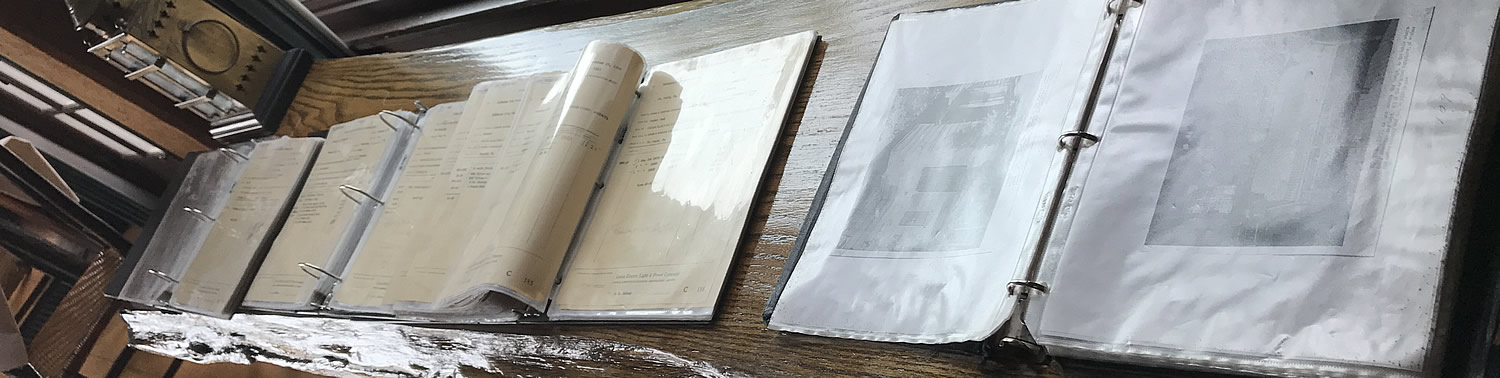
Some people prefer labeled binders with printed photographs, while others maintain digital folders organized by room or project. The specific format matters less than consistency. Keep related notes, images, and documents together so they can be found quickly during future inspections or maintenance planning.
If you conduct regular visual reviews, the Wood Building Maintenance Inspection Checklist can serve as a practical companion by helping organize recurring observations in a structured way.
Documentation Supports Better Stewardship
Thoughtful record-keeping preserves information that might otherwise be lost. By maintaining dated logs, photographs, repair histories, and product information, owners create a valuable reference for future maintenance decisions while reducing uncertainty about past work. Documentation does not replace qualified inspections or technical evaluations, but it can make those conversations more informed and productive.
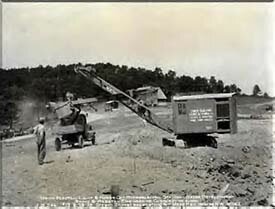
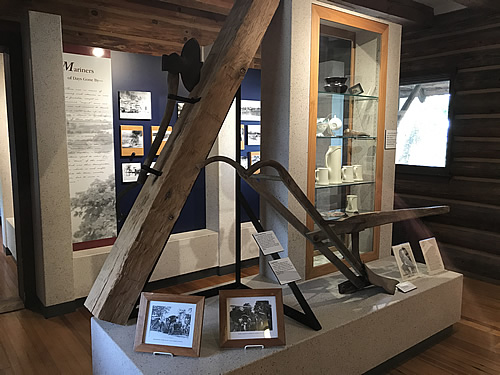
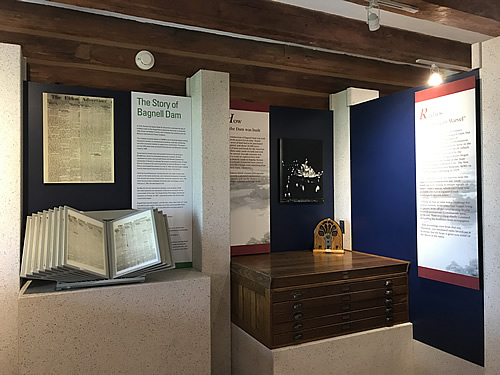
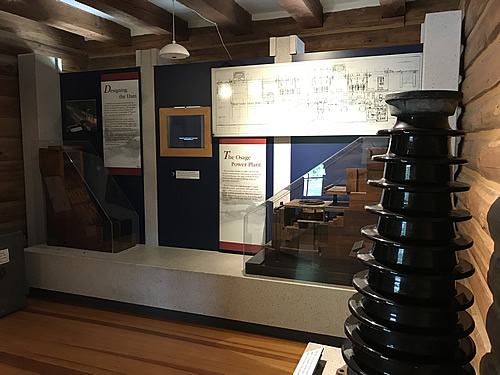
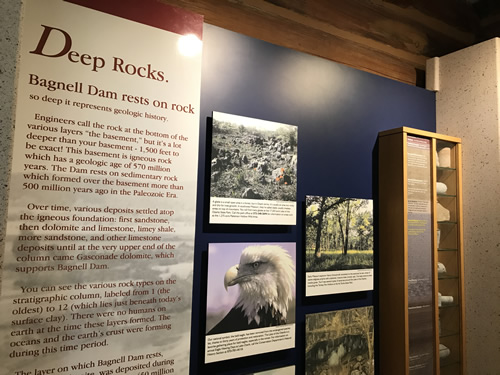
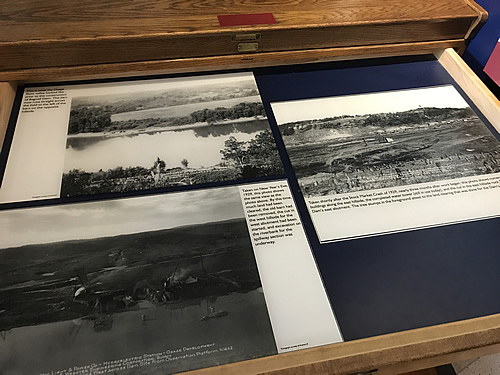
Historic Bagnell Dam
Construction Photos
CONTACT INFORMATION
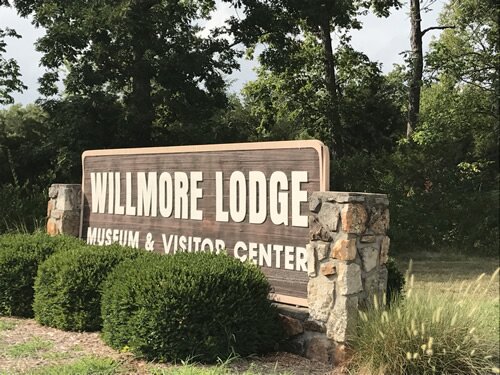
WILLMORE LODGE
#1 Willmore Lane
P.O. Box 1570
Lake Ozark, Missouri 65049
GET DIRECTIONS
VISITOR CENTER HOURS
Monday - Friday
9:00am - 4:30pm
Saturday & Sunday
9:00am -3:00pm
Closed Sunday only Nov 1 - Mar 31
Closed Thanksgiving, Christmas, New Years and during inclement weather.
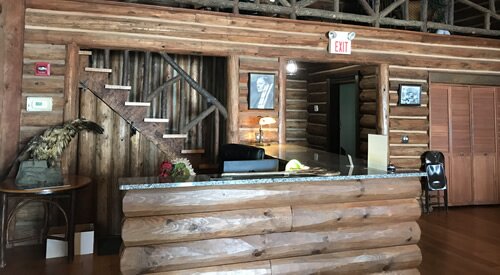
HISTORIC WILLMORE LODGE AT LAKE OF THE OZARKS
Copyright . Willmore Lodge Foundation. All rights reserved.
Website design and hosting by MSW Interactive Designs LLC. We put the web to work for you!