


How Historic Wood Buildings Stay Comfortable and Useful Over Time
Historic wood buildings often remain welcoming and functional not because they undergo constant reconstruction, but because they benefit from thoughtful maintenance, careful observation, and respect for original materials. Whether the structure is a family home, a lodge, or another heritage property, long-term comfort depends on understanding how wood behaves, how moisture moves through a building, and how routine care can prevent larger problems.
This guide serves as the foundation for the Historic Lodge and Wood-Building Maintenance Guide, introducing the principles that support preservation-minded repairs and sustainable upkeep over many years.
Comfort Is the Result of Many Small Decisions
People often associate comfort with heating or cooling systems alone, but older wood buildings rely on many interconnected factors. Dry structural materials, healthy air movement, well-maintained exterior surfaces, functioning drainage, and preserved interior finishes all contribute to spaces that remain pleasant to occupy.
Ignoring small maintenance concerns can gradually reduce both comfort and durability. A minor roof leak, clogged gutter, or deteriorating sealant may allow moisture into areas where damage develops slowly and remains hidden until repairs become more complicated.
The Foundations of Long-Term Building Care
Moisture Management Comes First
Wood performs best when it remains appropriately protected from prolonged moisture exposure. Rainwater management, site drainage, ventilation, and routine inspections help reduce conditions that encourage decay or material deterioration. For a deeper explanation of these principles, see Moisture Control Basics for Wood Structures.
Exterior Surfaces Need Regular Attention
Paints, stains, sealants, and protective coatings do not preserve a building by themselves, but they form part of an overall maintenance strategy. Periodic observation of siding, trim, exposed beams, and joints can identify developing issues before extensive repairs become necessary. Additional guidance is available in Exterior Wood Care: Stain, Sealant, and Regular Inspection.
Historic Interiors Deserve Careful Treatment
Interior woodwork, flooring, paneling, and architectural details often represent irreplaceable craftsmanship. Maintenance planning should consider how to protect these features during unrelated repair work, temporary construction, or equipment movement rather than assuming replacement is the best solution.
Documentation Improves Future Decisions
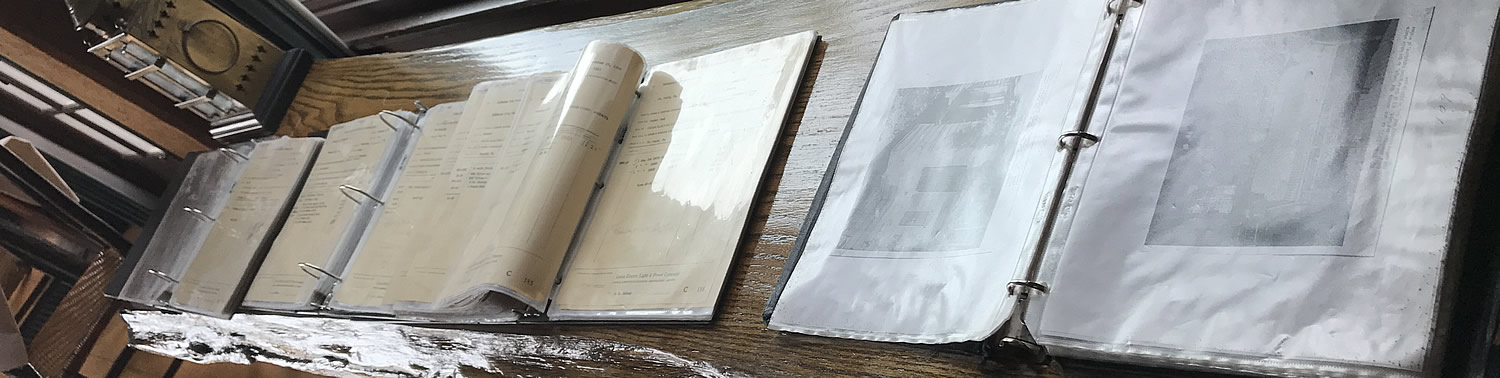
Photographs, inspection notes, maintenance records, and seasonal observations create valuable context over time. Instead of relying on memory alone, caretakers can compare conditions across years and recognize gradual changes before they become significant problems.
A Practical Maintenance Framework
A preservation-minded approach often follows a simple sequence:
- Observe visible conditions carefully.
- Document findings with notes and photographs.
- Address moisture-related concerns promptly.
- Prioritize repairs that protect original materials.
- Monitor the results and continue routine inspections.
The Wood Building Maintenance Inspection Checklist provides a practical companion for recording observations during regular walkthroughs.
Maintenance Priorities at a Glance
| Area | Why It Matters | What to Watch For |
|---|---|---|
| Roofs and drainage | Helps keep water away from vulnerable materials | Ponding, leaks, blocked gutters, overflow |
| Exterior wood surfaces | Protects exposed structural and decorative elements | Peeling finishes, cracks, localized deterioration |
| Windows and doors | Supports weather resistance and occupant comfort | Water intrusion, sticking, damaged seals |
| Interior finishes | Preserves historic character and craftsmanship | Moisture staining, movement, unexplained changes |
| Maintenance records | Improves long-term planning | Missing inspection history or undocumented repairs |
Common Misunderstandings About Older Wood Buildings
- Visible damage is not always the first sign of a problem; moisture issues may remain concealed for extended periods.
- Replacing original materials is not automatically preferable to repairing and preserving them.
- Large renovations cannot substitute for consistent preventive maintenance.
- Modern products are not universally appropriate for every historic structure without considering compatibility and existing conditions.
- Waiting until deterioration becomes obvious may increase both complexity and disruption.
Planning Maintenance Around Building Use
Historic lodges and similar properties often welcome visitors, host gatherings, or remain occupied throughout much of the year. Scheduling inspections and repairs around those activities can reduce disruption while helping preserve finishes and improve safety. Readers interested in this topic can continue with Planning Maintenance Around Visitors, Guests, or Events.
Example: Small Actions With Long-Term Benefits
Imagine an aging timber porch where seasonal inspections reveal that water consistently collects near one corner after heavy rain. Instead of replacing the entire structure, caretakers document the condition, improve drainage, monitor changes over time, and repair localized deterioration before it spreads. The intervention remains modest, but the preserved materials continue serving their purpose for many years.
Building a Habit of Observation
Many successful preservation efforts rely less on major projects than on consistent awareness. Walking around the property after severe weather, noting unusual changes, and comparing photographs from previous years can reveal subtle shifts that deserve attention.
Likewise, interior spaces benefit from periodic review for signs of staining, movement, or changing conditions that could indicate developing moisture concerns.
Balancing Comfort With Preservation
Keeping a historic wood building comfortable does not require erasing its character. Instead, it involves understanding how original materials perform, maintaining protective systems, and making informed decisions when repairs become necessary. Respecting existing craftsmanship while addressing practical needs often produces spaces that remain both usable and historically meaningful.
Where to Explore Next
This pillar introduces the core concepts of preservation-minded maintenance. Readers who want additional practical guidance can continue with How to Protect Historic Interiors During Repairs for interior preservation strategies or explore the broader maintenance framework through the cluster resources linked throughout this guide.
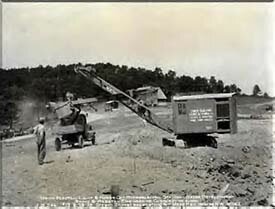
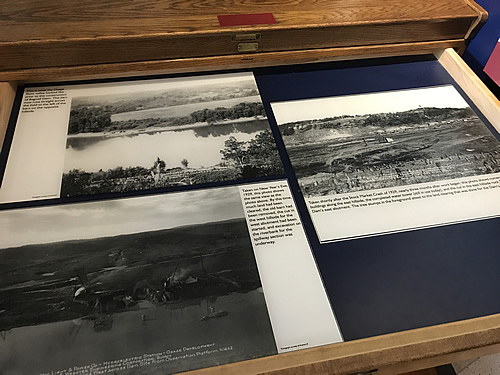
Historic Bagnell Dam
Construction Photos
CONTACT INFORMATION
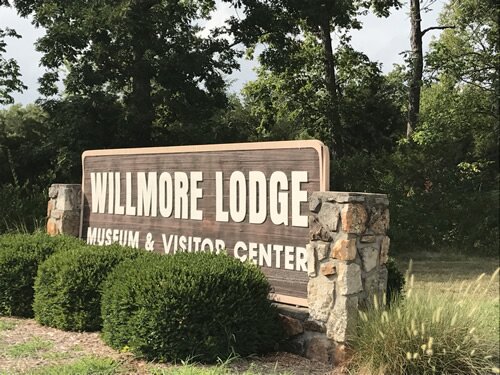
WILLMORE LODGE
#1 Willmore Lane
P.O. Box 1570
Lake Ozark, Missouri 65049
GET DIRECTIONS
VISITOR CENTER HOURS
Monday - Friday
9:00am - 4:30pm
Saturday & Sunday
9:00am -3:00pm
Closed Sunday only Nov 1 - Mar 31
Closed Thanksgiving, Christmas, New Years and during inclement weather.
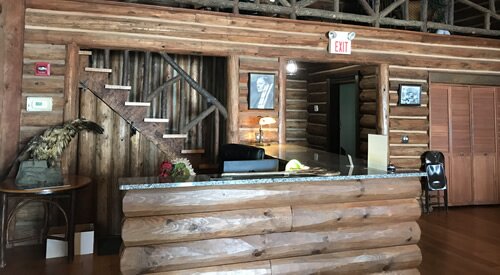
HISTORIC WILLMORE LODGE AT LAKE OF THE OZARKS
Copyright . Willmore Lodge Foundation. All rights reserved.
Website design and hosting by MSW Interactive Designs LLC. We put the web to work for you!