


Wood Building Maintenance Inspection Checklist
Routine observation is one of the most effective ways to care for wood-heavy buildings, including historic lodges, cabins, and older homes. This checklist is designed to help owners and caretakers organize visual observations, document changes over time, and prepare informed questions before planning maintenance or consulting qualified professionals.
For broader guidance on preservation-minded care, see the Historic Lodge and Wood-Building Maintenance Guide and the pillar article How Historic Wood Buildings Stay Comfortable and Useful Over Time.
How to Use This Checklist
Walk through the property at a comfortable pace and record only what you can safely observe. Take photographs, note locations, and compare current conditions with previous inspections when possible. Focus on identifying changes rather than diagnosing their causes.
- Carry a notebook or digital device for notes and photos.
- Move systematically from exterior areas to interior spaces.
- Record observations even if they seem minor.
- Flag anything unusual for future monitoring or qualified evaluation.
- Date every inspection to build a long-term maintenance history.
Important Limitation
This checklist is for visual maintenance planning only. It is not a structural inspection and does not replace qualified evaluation of logs, framing, decks, railings, or other safety-critical components. If you observe significant deterioration, movement, instability, or uncertain conditions, seek appropriate professional assessment before proceeding with repairs.
Inspection Categories at a Glance
| Area | What to Record |
|---|---|
| Exterior wood | Surface condition, finish wear, visible cracks, localized damage |
| Moisture and drainage | Staining, pooling water, drainage concerns, damp locations |
| Entries and decks | Visible wear, trip hazards, finish condition, loose-looking elements |
| Interior spaces | Changes in wood surfaces, discoloration, unusual movement or odors |
| Documentation | Photos, dates, room names, questions for future review |
Printable Maintenance Checklist
Exterior Wood Surfaces
Begin outside by observing exposed materials from ground level and recording visible changes.
- ☐ Photograph each elevation of the building.
- ☐ Note peeling finishes or areas that appear weathered.
- ☐ Record visible cracks, splits, or separated joints.
- ☐ Observe trim around windows and doors for changes.
- ☐ Compare current appearance with previous photographs if available.
- ☐ Write down any locations that should be monitored during the next inspection.
For additional background on finishes and routine observation, review Exterior Wood Care: Stain, Sealant, and Regular Inspection.
Moisture and Drainage
Many long-term maintenance issues begin with water management rather than obvious structural damage.
- ☐ Look for staining beneath roofs, gutters, or roof edges.
- ☐ Observe whether water appears to collect near foundations or walkways.
- ☐ Record signs of dampness near entry points or exterior walls.
- ☐ Note areas where vegetation or debris may trap moisture against wood.
- ☐ Photograph any recurring moisture-related observations.
Learn more about these topics in Moisture Control Basics for Wood Structures.
Porches, Decks, Railings, and Entry Areas
These heavily used spaces experience regular exposure to weather and foot traffic.
- ☐ Observe walking surfaces for visible deterioration or unusual wear.
- ☐ Check for standing water after rainfall.
- ☐ Note areas where finishes appear to be deteriorating.
- ☐ Record any visibly loose or damaged components without testing or applying force.
- ☐ Photograph stairs, handrails, and transitions to adjoining surfaces.
Interior Wood Features
Changes indoors may provide useful clues about environmental conditions and maintenance needs.
- ☐ Photograph representative walls, ceilings, and floors.
- ☐ Record stains, discoloration, or unexpected marks.
- ☐ Note changes around windows, doors, or trim.
- ☐ Observe built-in wood features for visible changes in condition.
- ☐ Document any unusual odors or recurring damp locations.
Visitor and Common Areas
Buildings used for gatherings or frequent occupancy benefit from careful observation of spaces that experience regular use.
- ☐ Review entrances and circulation paths for visible wear.
- ☐ Note areas that receive unusually heavy traffic.
- ☐ Photograph flooring or finishes showing accelerated aging.
- ☐ Record observations that may influence future maintenance scheduling.
Documentation and Photo Log
Consistent records make it easier to identify gradual changes that might otherwise go unnoticed.
- ☐ Label photographs with dates and locations.
- ☐ Record weather or seasonal conditions if relevant.
- ☐ Keep notes together with previous inspection records.
- ☐ Compare observations against earlier walkthroughs.
- ☐ List unanswered questions for future follow-up.
Additional recordkeeping ideas are available in Documentation Tips for Long-Term Building Care.
Seasonal Review Summary
- ☐ Identify observations that require continued monitoring.
- ☐ Separate cosmetic concerns from issues needing further evaluation.
- ☐ Update photographs of previously documented locations.
- ☐ Confirm that notes are dated and organized.
- ☐ Schedule the next routine walkthrough.
Questions to Record After the Walkthrough
- What changes were new since the last inspection?
- Which observations appear related to moisture exposure?
- Are any areas changing consistently over multiple seasons?
- Which locations would benefit from additional documentation?
- Should any observations be discussed with a qualified repair or preservation professional?
Making the Checklist More Valuable Over Time
A single inspection provides a snapshot, but repeated observations create a useful history of the building. By documenting conditions consistently and comparing photographs over months or years, caretakers can identify trends, prioritize maintenance, and make more informed preservation decisions while helping maintain the comfort and character of wood buildings.
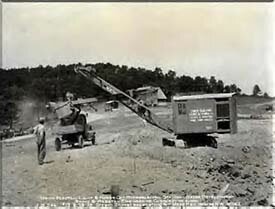
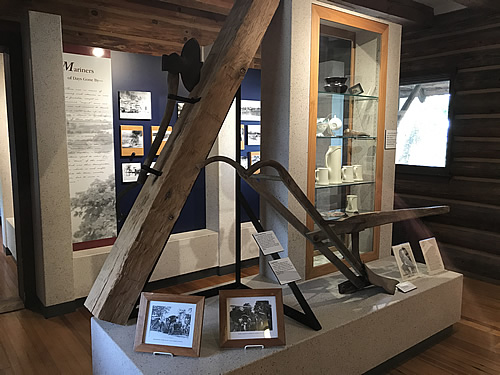
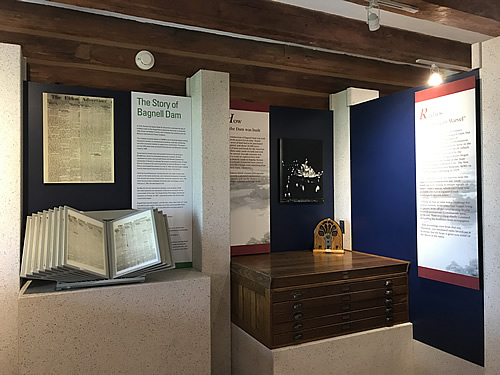
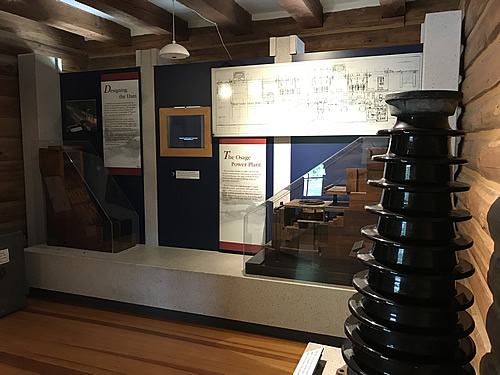
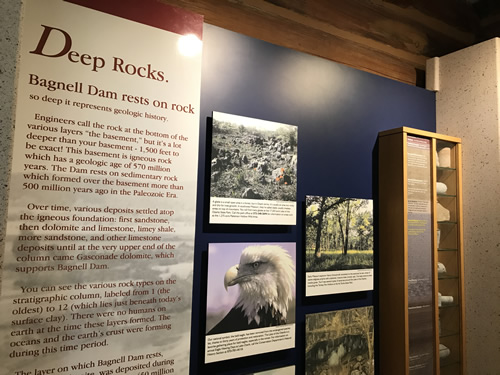
Historic Bagnell Dam
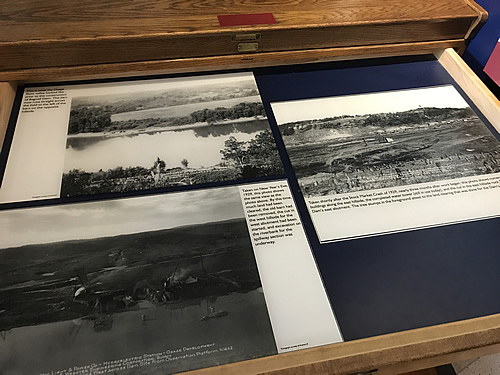
Construction Photos
CONTACT INFORMATION
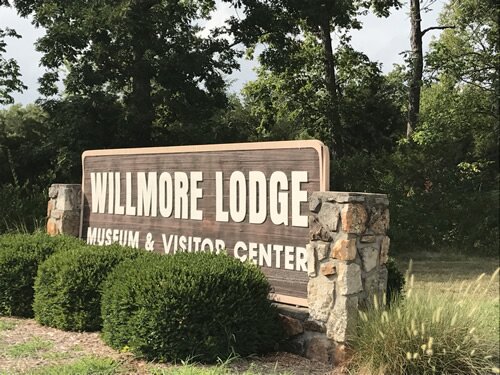
WILLMORE LODGE
#1 Willmore Lane
P.O. Box 1570
Lake Ozark, Missouri 65049
GET DIRECTIONS
VISITOR CENTER HOURS
Monday - Friday
9:00am - 4:30pm
Saturday & Sunday
9:00am -3:00pm
Closed Sunday only Nov 1 - Mar 31
Closed Thanksgiving, Christmas, New Years and during inclement weather.
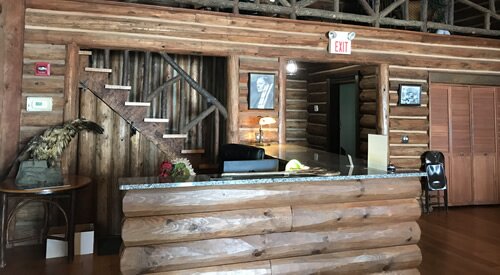
HISTORIC WILLMORE LODGE AT LAKE OF THE OZARKS
Copyright . Willmore Lodge Foundation. All rights reserved.
Website design and hosting by MSW Interactive Designs LLC. We put the web to work for you!