


Moisture Control Basics for Wood Structures
Wood buildings can remain durable and comfortable for generations when moisture is managed thoughtfully. In many cases, water exposure and trapped humidity create greater long-term challenges than age itself. Understanding where moisture comes from, how it moves, and what warning signs to watch for helps owners make informed decisions while preserving the character of older structures.
This article focuses on practical observation rather than repair instructions. It complements the broader Historic Lodge and Wood-Building Maintenance Guide and the foundation provided in How Historic Wood Buildings Stay Comfortable and Useful Over Time.
Why Moisture Deserves Early Attention
Wood naturally expands and contracts with changes in humidity, but persistent dampness can contribute to decay, surface deterioration, finish failure, and unwanted biological growth. Problems often develop gradually, making routine observation more valuable than waiting for visible damage to become severe.
Many moisture issues begin with small conditions such as overflowing gutters, poor drainage near foundations, leaking flashings, condensation, or inadequate drying after weather events. Identifying patterns early often leads to better preservation decisions.
Common Sources of Moisture Around Wood Buildings
Weather and Site Conditions
Rain, melting snow, wind-driven moisture, and standing water near the building can all affect exterior wood. Roof edges, window details, porches, and areas where landscaping directs water toward the structure deserve periodic attention.
Air Movement and Interior Humidity
Condensation may occur when warm, humid air meets cooler surfaces. Kitchens, bathrooms, basements, and enclosed storage spaces can experience elevated moisture levels if air circulation is limited. Because every building behaves differently, ventilation improvements should be considered in the context of the overall structure rather than through one-size-fits-all assumptions.
Visual Clues Worth Recording
Observations do not provide a complete diagnosis, but documenting them consistently helps identify developing trends and supports discussions with qualified professionals when needed.
| Observation | Possible Explanation | Useful Documentation |
|---|---|---|
| Water stains or discoloration | Past or ongoing moisture exposure | Photograph location, size, and date observed |
| Peeling paint or failing finish | Weathering or trapped moisture beneath coatings | Record affected surfaces and nearby drainage features |
| Recurring damp smell | Persistent humidity or hidden moisture source | Note season, weather conditions, and room location |
| Swollen wood or sticking doors | Seasonal movement or elevated moisture levels | Compare changes over time with photographs |
| Darkened areas near joints or trim | Repeated wetting or slow drying | Monitor whether appearance changes after rainfall |
Build a Habit of Observation Instead of Guesswork
Routine documentation often provides more insight than isolated inspections. A simple visual review every season can reveal patterns that would otherwise be overlooked.
- Photograph the same exterior walls and entry areas from similar angles.
- Note recent weather when recording observations.
- Check whether water collects near foundations, porches, or steps.
- Look for changes in finishes, discoloration, or recurring damp spots.
- Record unusual odors or condensation in enclosed spaces.
- Compare notes with previous inspections rather than relying on memory.
Readers who prefer a structured approach may find the Wood Building Maintenance Inspection Checklist useful for organizing observations throughout the year.
Example: A Small Change That Reveals a Bigger Pattern
Imagine a homeowner notices minor staining beneath a window after a heavy storm but ignores it because it dries quickly. Several months later, photographs from routine inspections show the same area darkening after each period of rain. While the visible damage remains limited, the repeated pattern suggests that further evaluation could help identify the underlying source before more extensive deterioration develops.
Exterior Protection Is Part of Moisture Control
Protective finishes, regular inspections, and attention to exposed wood surfaces all contribute to managing moisture risks. However, coatings alone cannot compensate for drainage problems or recurring water intrusion. Learning how finishes and routine inspections work together is covered in Exterior Wood Care: Stain, Sealant, and Regular Inspection.
When Professional Evaluation May Be Appropriate
Persistent leaks, recurring dampness, suspected hidden damage, or visible movement in structural elements deserve careful assessment by qualified professionals. Visual observations can guide questions, but they should not be treated as proof of structural conditions or the need for specific repairs without further evaluation.
Moisture Awareness Supports Long-Term Preservation
Successful stewardship of wood buildings depends on noticing changes early, documenting them consistently, and understanding that moisture often acts slowly over time. Thoughtful observation, combined with routine maintenance planning, helps preserve both the building and its historic character while reducing the likelihood of avoidable deterioration.

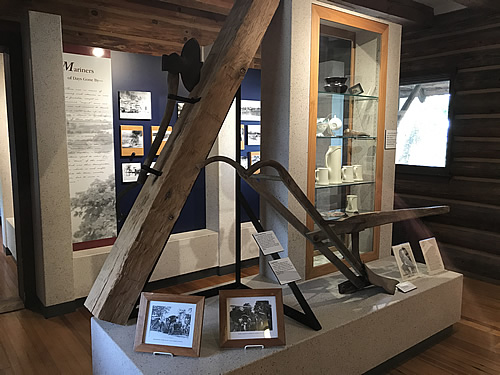
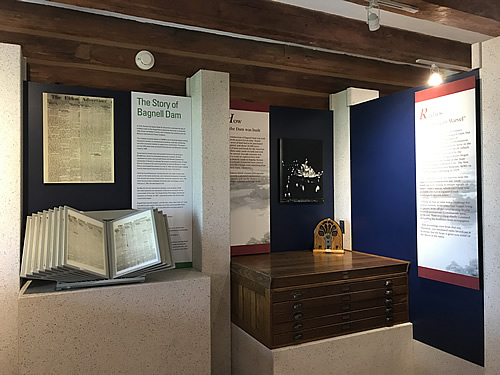
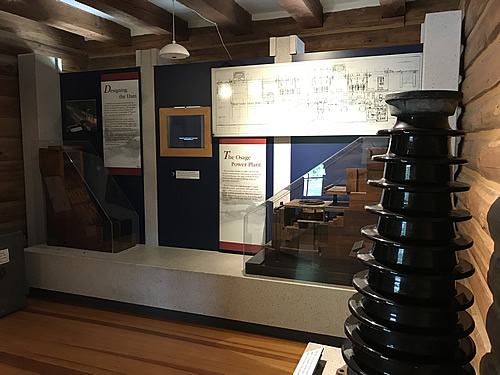
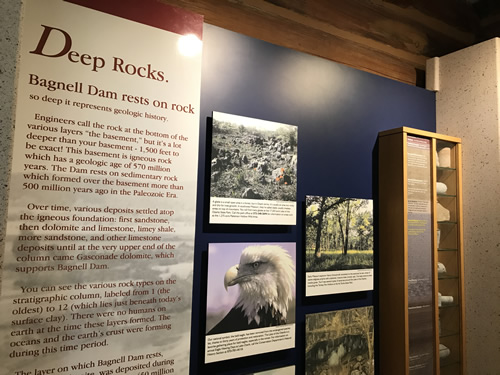
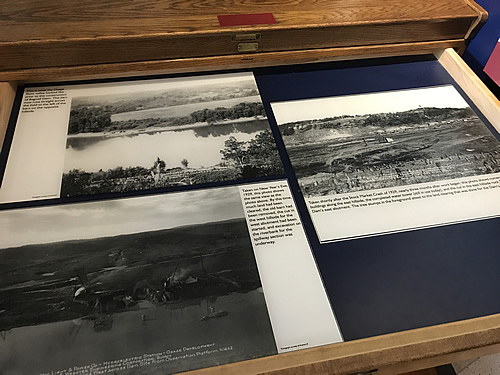
Historic Bagnell Dam
Construction Photos
CONTACT INFORMATION
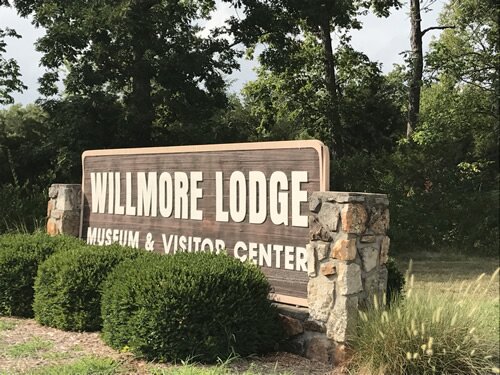
WILLMORE LODGE
#1 Willmore Lane
P.O. Box 1570
Lake Ozark, Missouri 65049
GET DIRECTIONS
VISITOR CENTER HOURS
Monday - Friday
9:00am - 4:30pm
Saturday & Sunday
9:00am -3:00pm
Closed Sunday only Nov 1 - Mar 31
Closed Thanksgiving, Christmas, New Years and during inclement weather.
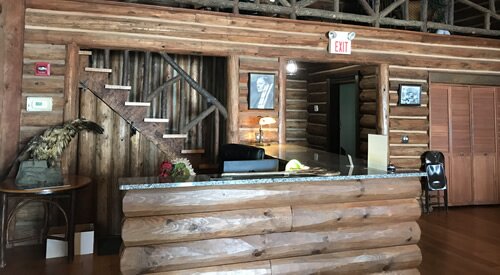
HISTORIC WILLMORE LODGE AT LAKE OF THE OZARKS
Copyright . Willmore Lodge Foundation. All rights reserved.
Website design and hosting by MSW Interactive Designs LLC. We put the web to work for you!