


Exterior Wood Care: Stain, Sealant, and Regular Inspection
Exterior wood is constantly exposed to sun, rain, changing temperatures, and everyday wear. Over time, protective finishes fade and surfaces can develop small defects that allow moisture to enter. A consistent inspection routine helps owners notice changes early, document them, and make informed maintenance decisions before cosmetic issues become more significant.
This guide complements the broader advice found in the Historic Lodge and Wood-Building Maintenance Guide and the pillar article How Historic Wood Buildings Stay Comfortable and Useful Over Time by focusing specifically on exterior wood finishes and visual monitoring.
Why surface protection matters
Wood naturally expands and contracts as environmental conditions change. Stains, sealants, and other protective finishes reduce weather exposure, but they do not eliminate the need for periodic observation. Even well-maintained surfaces may require attention as coatings age or local conditions change.
Rather than waiting for obvious deterioration, many caretakers find it helpful to perform regular visual reviews and compare current conditions with previous photographs or notes.
Common signs to look for during inspections
A simple walk around the building can reveal patterns that deserve monitoring or professional evaluation.
| Observation | Why it matters | Suggested next step |
|---|---|---|
| Faded or uneven finish | May indicate weathering and reduced surface protection | Document affected areas and monitor changes over time |
| Peeling or flaking coating | Can expose wood to increased moisture | Record location and consider appropriate maintenance planning |
| Surface cracks or checking | May be part of natural aging but should be observed for progression | Photograph and compare during future inspections |
| Persistent discoloration | Could suggest trapped moisture or biological growth | Look for nearby drainage or ventilation concerns |
| Soft or damaged areas | May warrant closer investigation by a qualified professional | Avoid assumptions and seek appropriate assessment if needed |
Understanding stain and sealant wear
Weather exposure is rarely uniform
South-facing walls, uncovered decks, and exposed trim often weather differently from shaded elevations. It is common for one side of a building to require attention sooner than another, so maintenance decisions should be based on observed conditions rather than a fixed schedule alone.
Appearance changes do not always indicate failure
Minor fading or color variation may reflect normal aging rather than significant deterioration. The more useful question is whether the protective layer still appears consistent and whether moisture-related symptoms are developing nearby.
A practical inspection routine
- Walk slowly around the exterior in daylight.
- Photograph walls, trim, railings, porches, and exposed wood details.
- Compare sunny and shaded sides of the structure.
- Look closely around windows, doors, joints, and horizontal surfaces where water may linger.
- Note any peeling finishes, cracks, stains, or unusual movement.
- Record observations in a maintenance log for future comparison.
If you prefer a structured observation form, the Wood Building Maintenance Inspection Checklist provides a practical framework for organizing notes without replacing qualified inspections.
Questions worth documenting
- Has the finish changed noticeably since the previous season?
- Do certain elevations weather faster than others?
- Are cracks growing or remaining stable over time?
- Is discoloration associated with gutters, roofs, or splash zones?
- Have repairs or touch-ups been recorded with dates and photographs?
Example: spotting a developing pattern
Imagine that a caretaker notices faded stain beneath a roof edge on one side of a lodge. During the same inspection, they also observe repeated water staining after heavy rain. Rather than assuming the finish alone is the problem, they document the condition, compare photographs from previous years, and investigate whether water management or drainage may be contributing to the pattern before planning cosmetic work.
Common misunderstandings about exterior wood maintenance
"If the color looks fine, everything is protected."
Visual appearance alone does not guarantee that a finish is performing as intended. Careful observation of moisture patterns, wear, and surrounding details provides a more complete picture.
"Every surface should be treated on the same schedule."
Exposure varies significantly across a building. Orientation, nearby vegetation, local climate, and construction details all influence how quickly finishes weather.
"Small cracks should always be ignored."
Many minor surface checks are expected as wood ages, but documenting them allows owners to determine whether conditions remain stable or begin to change over time.
When moisture may be the larger concern
Exterior finish wear sometimes reflects underlying moisture issues rather than isolated coating failure. If repeated dampness, staining, or water retention is observed, it may be helpful to review broader principles in Moisture Control Basics for Wood Structures and consider how drainage, ventilation, or surrounding site conditions could influence the affected area.
Building a long-term maintenance record
Photographs taken from the same viewpoints each season can make subtle changes easier to recognize. Consistent documentation supports preservation-minded decisions and helps distinguish temporary cosmetic changes from trends that deserve closer evaluation.
- Date every inspection.
- Label photographs by location.
- Keep notes about weather conditions when observations were made.
- Record maintenance performed without relying on memory.
- Review older records before planning future work.
Final thoughts
Exterior wood care is most effective when viewed as an ongoing observation process rather than a one-time project. Regular inspections, careful documentation, and attention to changing conditions can help preserve appearance while reducing the likelihood that small issues remain unnoticed. Combined with the broader guidance in the cluster resources, these habits support informed, preservation-minded stewardship of wood buildings over time.
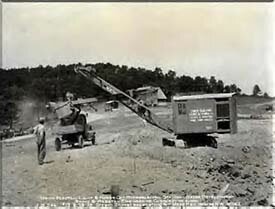
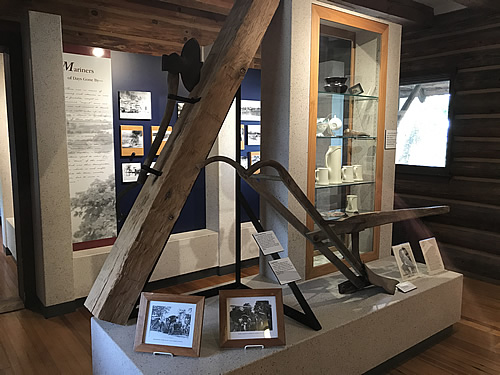
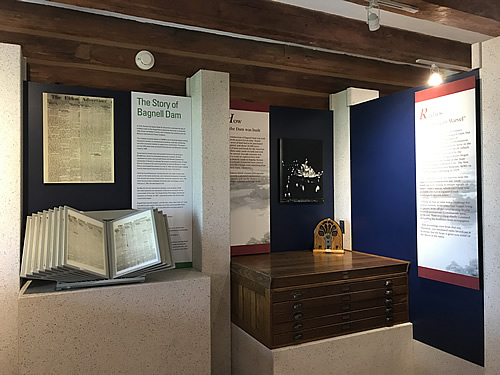
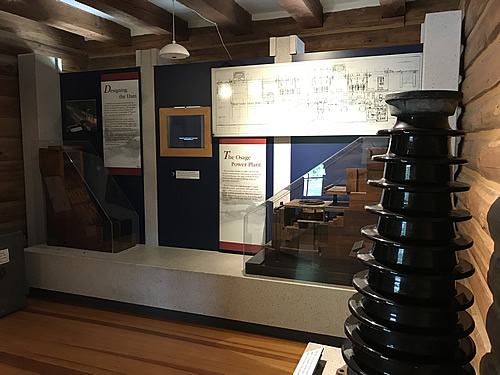
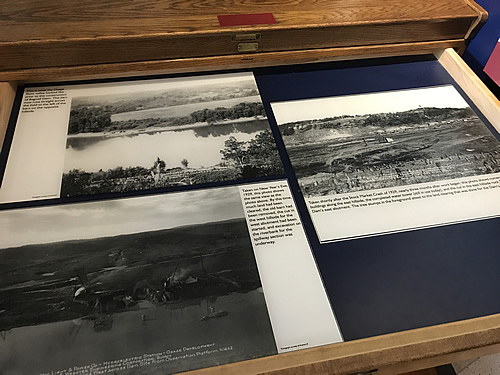
Historic Bagnell Dam
Construction Photos
CONTACT INFORMATION
WILLMORE LODGE
#1 Willmore Lane
P.O. Box 1570
Lake Ozark, Missouri 65049
GET DIRECTIONS
VISITOR CENTER HOURS
Monday - Friday
9:00am - 4:30pm
Saturday & Sunday
9:00am -3:00pm
Closed Sunday only Nov 1 - Mar 31
Closed Thanksgiving, Christmas, New Years and during inclement weather.
HISTORIC WILLMORE LODGE AT LAKE OF THE OZARKS
Copyright . Willmore Lodge Foundation. All rights reserved.
Website design and hosting by MSW Interactive Designs LLC. We put the web to work for you!