


What Homeowners Can Learn From Lodge-Style Building Maintenance
Many historic lodges remain welcoming and functional despite years of weather exposure and heavy foot traffic. One reason is that caretakers often emphasize observation, routine upkeep, and documentation rather than waiting for obvious damage. Homeowners can apply many of these same habits to preserve wood features and improve long-term maintenance planning.
This article complements the broader Historic Lodge and Wood-Building Maintenance Guide and the foundational resource How Historic Wood Buildings Stay Comfortable and Useful Over Time by focusing on practical lessons drawn from shared-use buildings.
The Biggest Lesson: Pay Attention Before Problems Become Obvious
A common misconception is that maintenance begins when something breaks. In reality, durable wood buildings often benefit from regular walkthroughs that identify small changes before they develop into larger concerns. Recording observations over time creates a useful history that supports thoughtful preservation and repair decisions.
Maintenance Habits Worth Borrowing
Watch Areas That Experience the Most Use
Entrances, porches, stairways, and common paths often show wear sooner than quieter parts of a building. Regular visual checks can reveal changes in finishes, localized moisture exposure, or surface deterioration that deserve continued observation.
Think About Moisture as Much as Appearance
A surface that looks attractive may still experience moisture-related challenges, while a faded finish does not always indicate a serious issue. Lodge caretakers frequently monitor how water moves around buildings, paying attention to drainage patterns and recurring damp locations rather than relying on appearance alone.
Keep Records Instead of Relying on Memory
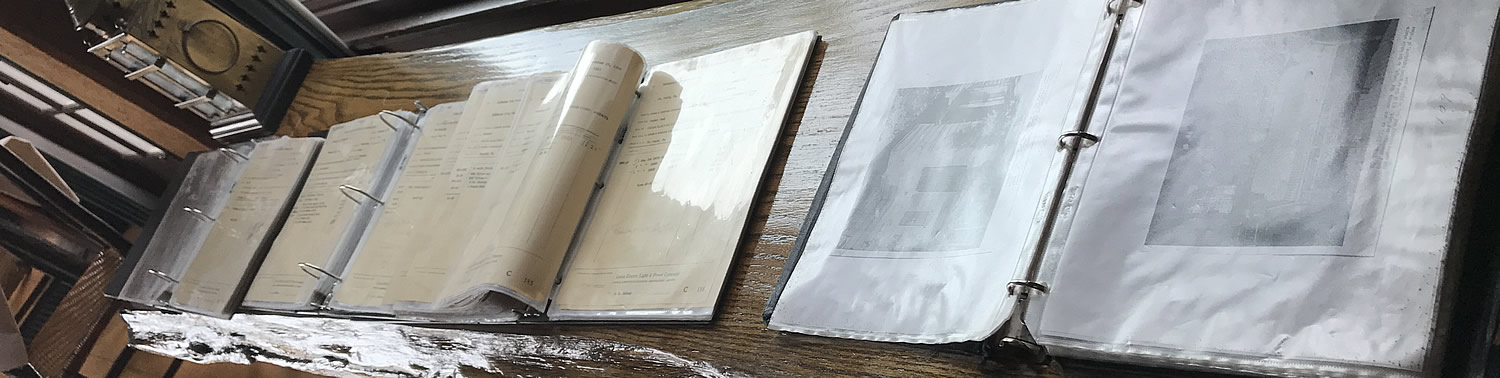
Photographs taken from consistent locations make it easier to notice gradual changes over months or years. Notes about weather conditions, seasonal differences, or recurring observations provide valuable context during future maintenance planning.
| Lodge-Style Practice | Homeowner Takeaway |
|---|---|
| Routine visual walkthroughs | Inspect familiar areas regularly and compare them with previous observations. |
| Attention to heavily used entries | Monitor porches, doorways, and walkways for signs of changing conditions. |
| Documentation over assumptions | Take photos and write notes before deciding whether conditions are changing. |
| Focus on moisture awareness | Observe drainage, damp areas, and staining as part of normal maintenance. |
A Practical Example
Imagine a lodge entrance where visitors pass every day. Instead of waiting until finishes visibly fail, caretakers photograph the area each season, note where water tends to collect after storms, and monitor trim for gradual changes. A homeowner can adopt the same approach by creating a simple record of entry areas and comparing images over time rather than relying on memory.
Common Misunderstandings
- Assuming that attractive wood surfaces require no maintenance.
- Believing inspections are only necessary after severe weather.
- Focusing exclusively on cosmetic appearance while overlooking moisture patterns.
- Replacing materials before documenting their condition and history.
- Expecting one inspection to reveal every long-term issue.
Questions to Ask During a Walkthrough
- Have any visible conditions changed since the previous inspection?
- Which areas experience the most foot traffic or weather exposure?
- Are there recurring signs of moisture after rainfall or seasonal changes?
- Would photographs from the same location help compare conditions later?
- Should any observations be reviewed by a qualified professional before work begins?
Use a Consistent Inspection Routine
If you would like a structured way to organize observations, the Wood Building Maintenance Inspection Checklist provides a practical template for documenting exterior wood, moisture indicators, entry areas, interiors, and maintenance notes. For additional information on water-related risks that commonly affect wood buildings, see Moisture Control Basics for Wood Structures.
Building Good Habits Over Time
The most valuable lesson from lodge-style maintenance is not a particular repair technique but a mindset of steady observation. By paying attention to visitor-heavy spaces, documenting conditions consistently, and reviewing changes over time, homeowners can make more informed decisions that support the long-term care and preservation of wood buildings.
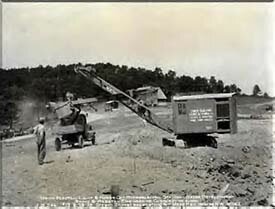
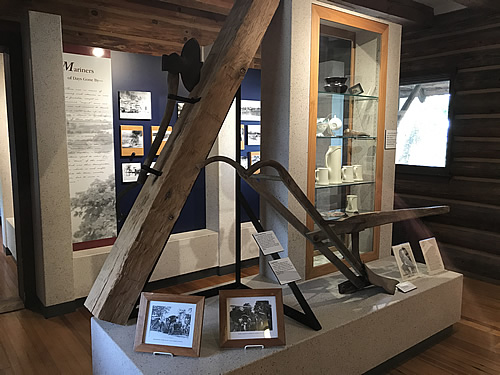
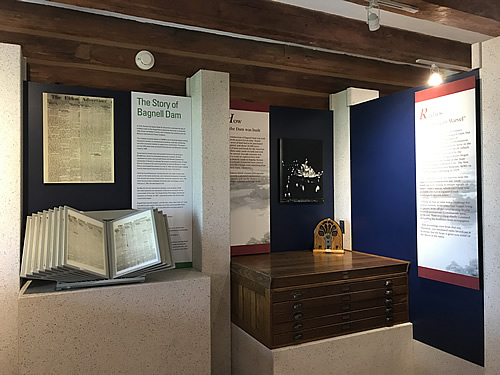
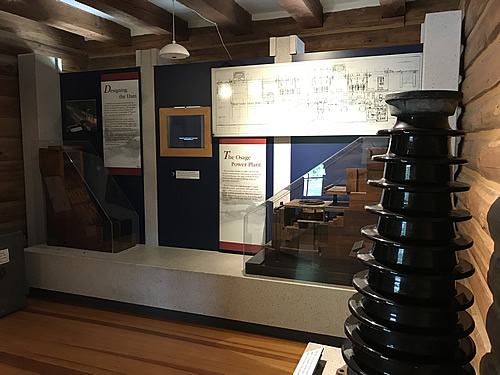
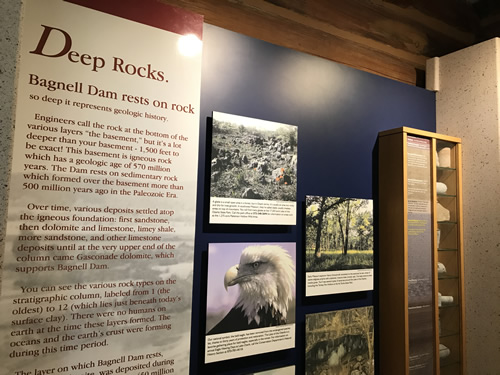
Historic Bagnell Dam
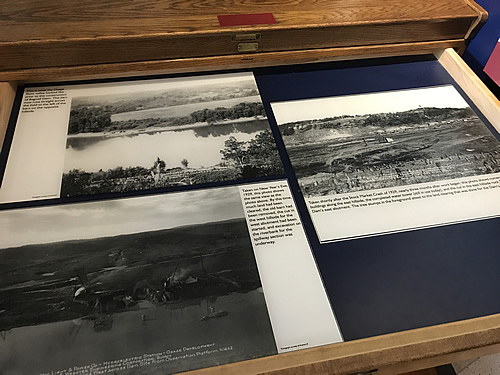
Construction Photos
CONTACT INFORMATION
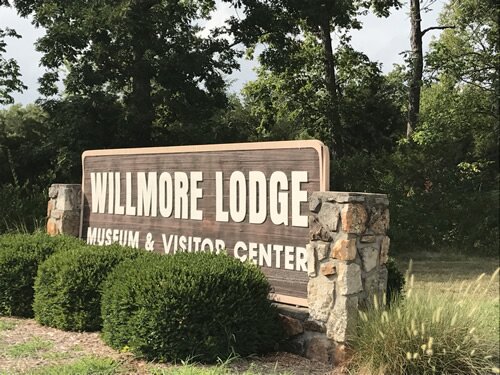
WILLMORE LODGE
#1 Willmore Lane
P.O. Box 1570
Lake Ozark, Missouri 65049
GET DIRECTIONS
VISITOR CENTER HOURS
Monday - Friday
9:00am - 4:30pm
Saturday & Sunday
9:00am -3:00pm
Closed Sunday only Nov 1 - Mar 31
Closed Thanksgiving, Christmas, New Years and during inclement weather.
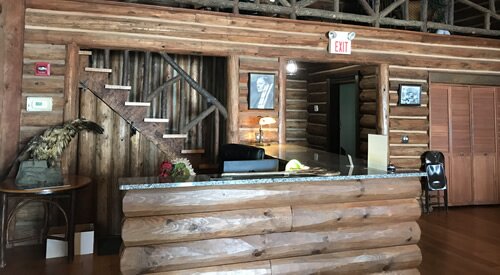
HISTORIC WILLMORE LODGE AT LAKE OF THE OZARKS
Copyright . Willmore Lodge Foundation. All rights reserved.
Website design and hosting by MSW Interactive Designs LLC. We put the web to work for you!