


Planning Maintenance Around Visitors, Guests, or Events
Maintenance is easier to manage when it is planned with people in mind as well as the building itself. Whether a historic lodge, wood-heavy home, or community gathering place is welcoming family, guests, or event attendees, thoughtful scheduling can reduce disruption while helping preserve important architectural features.
This article builds on the broader guidance in the Historic Lodge and Wood-Building Maintenance Guide and the foundational concepts explained in How Historic Wood Buildings Stay Comfortable and Useful Over Time, focusing specifically on coordinating repairs with occupancy and public use.
Why Timing Matters
Even relatively small maintenance tasks may affect visitor comfort through noise, temporary access restrictions, equipment movement, or cleaning activities. Choosing an appropriate time for the work can often make preservation efforts more efficient and reduce unnecessary inconvenience.
Planning also gives caretakers an opportunity to protect historic finishes, establish clear work zones, and communicate expectations before any activity begins.
A Simple Framework for Planning
Identify the Scope of Work
Determine which rooms or exterior areas will be affected and estimate whether the work is likely to generate dust, noise, or temporary closures.
Consider How People Use the Space
Map common travel routes, entrances, gathering areas, and accessible pathways. Maintenance that blocks these locations may require adjusted schedules or temporary rerouting.
Separate Work Areas From Visitor Areas
When practical, establish clearly defined boundaries between active maintenance zones and occupied spaces. Limiting unnecessary traffic through work areas can help protect both people and historic finishes.
- Review planned activities before announcing dates.
- Identify spaces that should remain available throughout the project.
- Schedule disruptive work during lower-use periods whenever feasible.
- Document any temporary changes to access or circulation.
Common Maintenance Activities and Planning Considerations
| Activity | Potential Visitor Impact | Planning Consideration |
|---|---|---|
| Exterior inspections | Minimal disruption | Coordinate around busy entry periods if ladders or equipment are present. |
| Interior repairs | Dust and restricted access | Protect adjacent spaces and communicate temporary closures. |
| Floor refinishing or surface work | Limited room availability | Allow sufficient time before reopening affected areas. |
| Routine wood maintenance | Temporary activity near entrances | Plan alternative routes where practical. |
| Seasonal inspections | Generally low disruption | Combine with other maintenance reviews to reduce repeated interruptions. |
Questions to Ask Before Work Begins
- Will visitors still have safe and convenient access to commonly used spaces?
- Are temporary pathways or closures clearly identified?
- Have historic finishes and furnishings been protected where appropriate?
- Have expected disruptions been communicated in advance?
- Will photographs and notes be updated after the work is complete?
Example: Scheduling Around a Community Gathering
A caretaker plans minor repairs in a historic meeting room but notices that a public event is scheduled later that week. Instead of compressing the work into the day before the gathering, the repairs are moved to an earlier period, allowing time for cleaning, inspection, and restoration of normal access. The event proceeds without unexpected obstacles, and the maintenance team has additional time to verify that protective coverings have been removed and finishes remain in good condition.
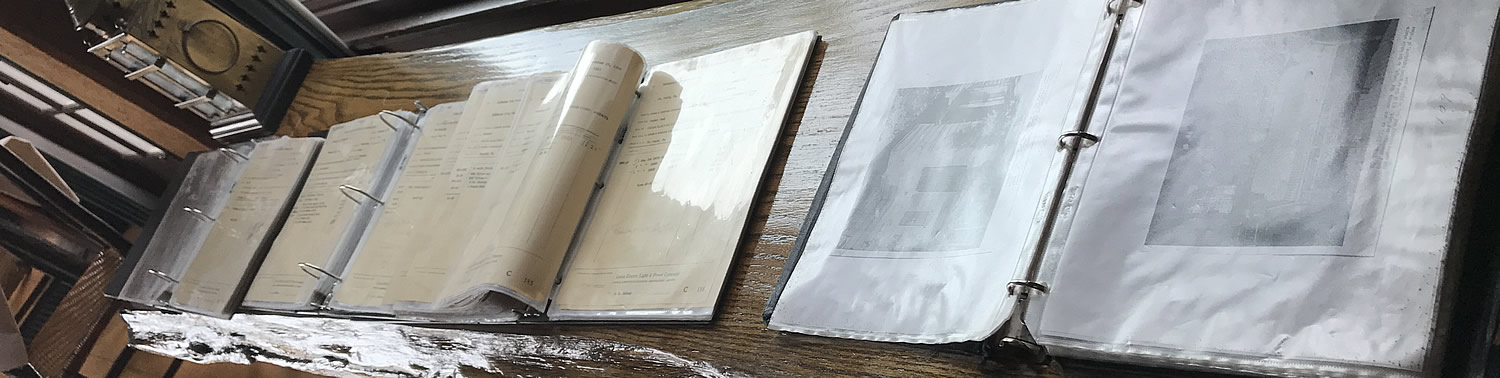
Documentation Makes Future Planning Easier
Keeping records of previous maintenance windows, visitor impacts, and observed building conditions can simplify future scheduling. Consistent documentation helps identify recurring issues and supports long-term preservation planning.
The Wood Building Maintenance Inspection Checklist can serve as a practical tool for recording observations before and after planned work, making it easier to compare conditions over time.
Do Not Overlook Moisture-Related Delays
Unexpected water intrusion or damp conditions can change maintenance priorities and affect visitor areas. Reviewing the principles discussed in Moisture Control Basics for Wood Structures can help caretakers recognize situations where addressing moisture concerns first may better protect the building and its occupants.
Balancing Preservation With Daily Use
Historic wood buildings often continue serving active roles as homes, gathering places, or visitor destinations. Successful maintenance planning recognizes that preserving architectural character and providing a positive experience for occupants are complementary goals rather than competing priorities.
By coordinating schedules thoughtfully, documenting conditions carefully, and minimizing unnecessary disruption, caretakers can support long-term building stewardship while maintaining comfortable, functional spaces for everyone who uses them.
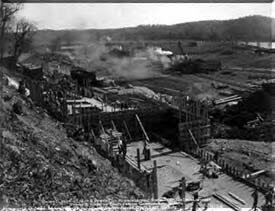
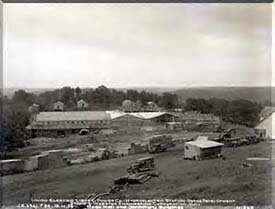
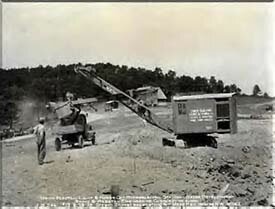
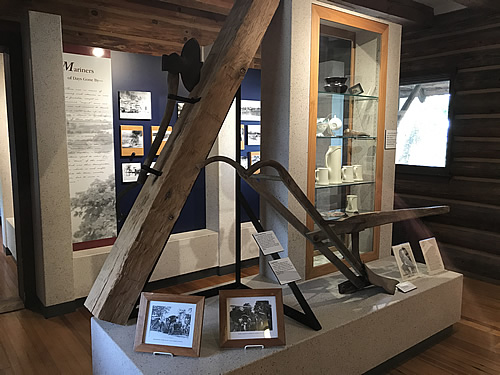
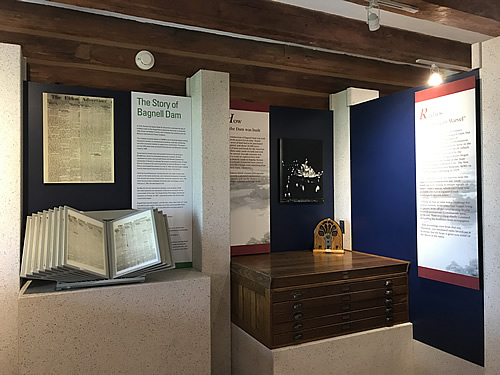
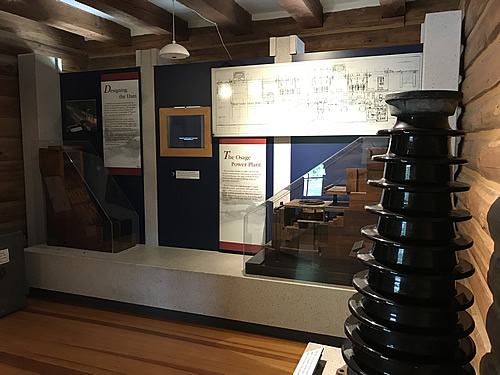
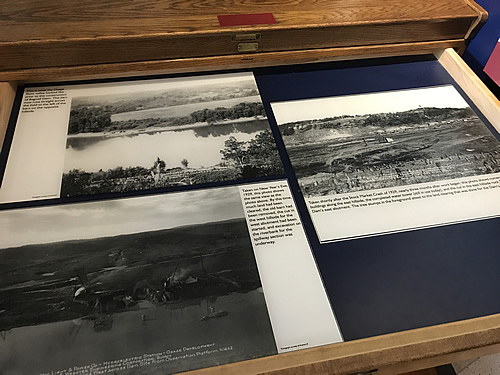
Historic Bagnell Dam
Construction Photos
CONTACT INFORMATION
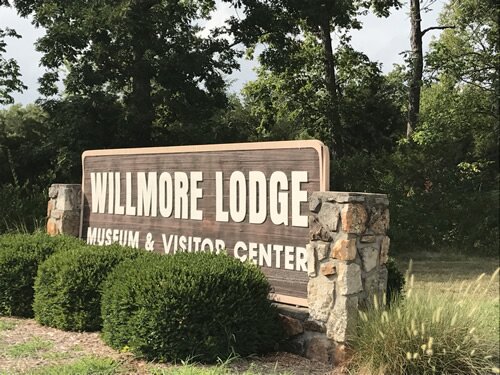
WILLMORE LODGE
#1 Willmore Lane
P.O. Box 1570
Lake Ozark, Missouri 65049
GET DIRECTIONS
VISITOR CENTER HOURS
Monday - Friday
9:00am - 4:30pm
Saturday & Sunday
9:00am -3:00pm
Closed Sunday only Nov 1 - Mar 31
Closed Thanksgiving, Christmas, New Years and during inclement weather.
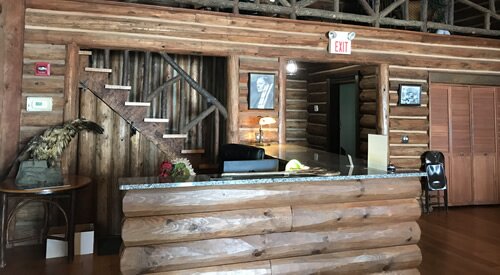
HISTORIC WILLMORE LODGE AT LAKE OF THE OZARKS
Copyright . Willmore Lodge Foundation. All rights reserved.
Website design and hosting by MSW Interactive Designs LLC. We put the web to work for you!