


How to Protect Historic Interiors During Repairs
Many repair projects begin with good intentions but accidentally damage the very details that make an older wood building special. Dust, dropped tools, misplaced ladders, and rushed material storage can leave lasting marks on floors, trim, doors, and decorative finishes. Careful planning before work starts helps preserve historic character while reducing unnecessary cleanup and repairs afterward.
This article complements the broader guidance found in the Historic Lodge and Wood-Building Maintenance Guide and the pillar resource on how historic wood buildings stay comfortable and useful over time.
Start With Documentation Before Moving Anything
Photographs and written notes provide a useful record of existing conditions. Capture wide room views as well as close-ups of moldings, floors, built-in cabinetry, stair details, and hardware. If questions arise later, these records can help distinguish old wear from new damage.
Label images by room and date, and note existing scratches, dents, or finish variations before repair work begins.
Protect Surfaces Instead of Assuming They Will Be Fine
Historic interiors often contain materials that have survived for decades because they experienced careful use rather than heavy construction activity. Temporary protection can reduce accidental damage during maintenance.
| Interior Feature | Common Risk During Repairs | Protective Planning Idea |
|---|---|---|
| Wood floors | Scratches, dents, dirt | Use appropriate temporary floor coverings and keep pathways clean. |
| Trim and moldings | Impacts from ladders or equipment | Maintain clearance and avoid leaning tools directly against finished surfaces. |
| Doors and frames | Repeated contact or removal damage | Document hardware locations and handle components carefully. |
| Built-in features | Dust accumulation or accidental abrasion | Cover when practical and keep storage materials away from finished wood. |
Plan for Dust Before It Spreads
Fine dust can settle into carvings, joints, and historic finishes, making cleanup difficult. Isolating active work areas and minimizing unnecessary foot traffic may help keep unaffected rooms cleaner.
If repairs involve older materials with uncertain composition, additional precautions or qualified evaluation may be appropriate because some historic finishes or building products can require specialized handling.
A Practical Room Preparation Checklist
- Photograph walls, ceilings, floors, and decorative details.
- Remove or protect movable furnishings when possible.
- Identify travel routes for workers and materials.
- Confirm where tools and supplies will be stored.
- Record visible pre-existing marks or wear.
- Protect finished flooring in frequently used paths.
- Keep moisture sources away from exposed wood surfaces.
- Review cleanup expectations before work begins.
Think About Workflow, Not Just the Repair
Some damage happens outside the actual repair location. Carrying lumber through narrow hallways, repeatedly opening historic doors, or staging equipment in finished rooms may create avoidable wear. Mapping movement paths ahead of time can reduce these risks.
Short Example
A small ceiling repair may only affect one corner of a room, yet workers could enter and exit dozens of times. Protecting the floor between the entrance and work area may prevent more damage than focusing only beneath the repair itself.
Questions Worth Asking Before Work Begins
- Which historic features should remain untouched?
- How will floors and finished wood surfaces be protected?
- Where will materials and equipment be stored?
- How will dust be limited and cleaned?
- What documentation should be updated if hidden conditions are discovered?
When Moisture and Repairs Overlap
Leaks or humidity issues should not be ignored while planning interior work. Moisture can affect finishes, promote staining, and contribute to wood deterioration over time. Understanding the basics of moisture control for wood structures helps place interior protection in a broader preservation strategy.
Use Maintenance Visits to Improve Future Planning
Each repair project offers an opportunity to improve future care. Recording what was moved, protected, repaired, or observed creates a valuable maintenance history and helps reduce repeated disruption to historic spaces.
Pair Interior Protection With Routine Inspection
Before beginning a maintenance project, reviewing a structured observation list can help identify vulnerable finishes and high-traffic areas. The Wood Building Maintenance Inspection Checklist provides a practical framework for documenting conditions before and after work.
Preservation Is Often About Small Decisions
Historic interiors rarely suffer from one dramatic mistake alone. More often, gradual wear comes from repeated minor impacts, overlooked dust control, or inadequate planning. Taking time to document existing conditions, protect surfaces, and organize the repair process helps maintain the appearance and long-term usefulness of wood-heavy buildings without unnecessarily sacrificing their character.
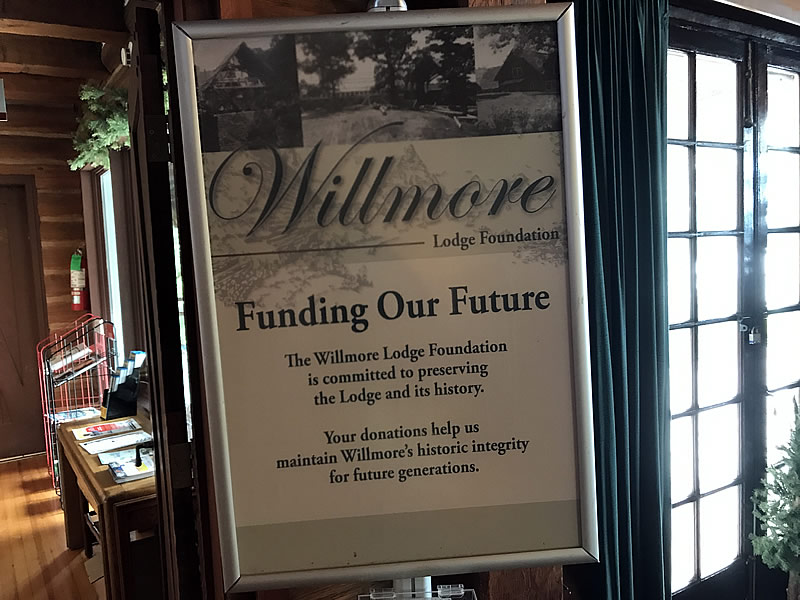
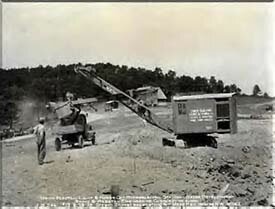
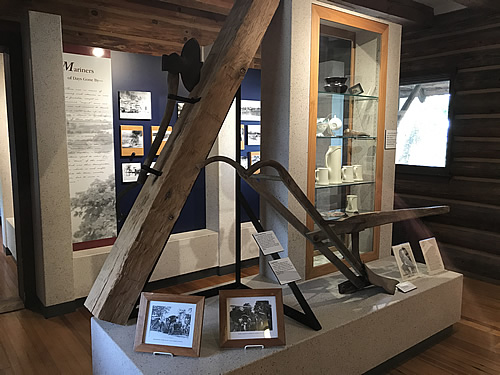
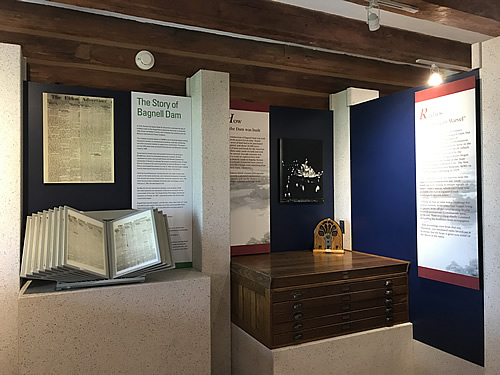
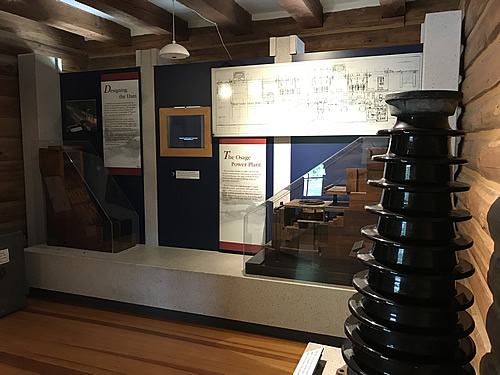
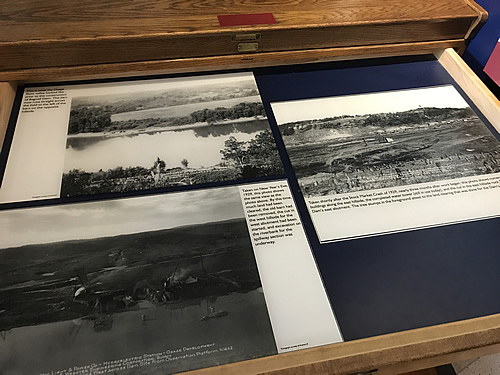
Historic Bagnell Dam
Construction Photos
CONTACT INFORMATION
WILLMORE LODGE
#1 Willmore Lane
P.O. Box 1570
Lake Ozark, Missouri 65049
GET DIRECTIONS
VISITOR CENTER HOURS
Monday - Friday
9:00am - 4:30pm
Saturday & Sunday
9:00am -3:00pm
Closed Sunday only Nov 1 - Mar 31
Closed Thanksgiving, Christmas, New Years and during inclement weather.
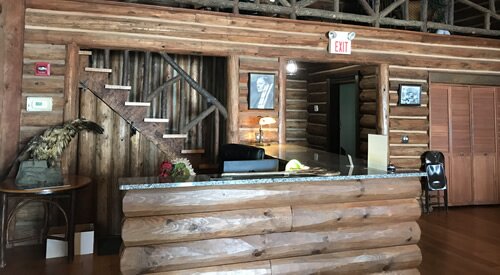
HISTORIC WILLMORE LODGE AT LAKE OF THE OZARKS
Copyright . Willmore Lodge Foundation. All rights reserved.
Website design and hosting by MSW Interactive Designs LLC. We put the web to work for you!