


Seasonal Checks for Porches, Decks, Railings, and Entry Areas
Porches, decks, railings, stairs, and entry areas experience constant exposure to weather and frequent foot traffic. A simple seasonal review can help owners notice gradual changes before they become larger preservation challenges or interfere with safe use. The goal is careful observation and documentation rather than structural diagnosis.
This focused guide complements the broader Historic Lodge and Wood-Building Maintenance Guide and supports the long-term preservation approach outlined in How Historic Wood Buildings Stay Comfortable and Useful Over Time.
Why Seasonal Observations Matter
Wood responds to changing temperatures, moisture, sunlight, and everyday use. Exterior components may expand, contract, weather unevenly, or show signs of wear over time. Looking at the same areas several times each year makes it easier to recognize meaningful changes instead of relying on memory.
Routine visual checks can also help identify maintenance priorities before busy seasons, gatherings, or periods of heavy visitor use.
A Season-by-Season Observation Guide
| Season | What to Observe | Why It Matters |
|---|---|---|
| Spring | Moisture marks, winter damage, debris buildup, drainage around entry areas | Cold weather and melting snow may reveal issues hidden during winter. |
| Summer | Finish wear, sun exposure, surface cracking, vegetation near wood | Warm conditions make weathering and coating deterioration easier to spot. |
| Autumn | Leaves, blocked drainage paths, wet areas, slipping hazards | Organic debris can trap moisture against wood surfaces. |
| Winter | Ice accumulation, water runoff patterns, changing walking conditions | Seasonal conditions may affect access and reveal drainage concerns. |
What to Record During Each Review
Consistent records create a valuable history of the building and help distinguish long-standing conditions from recent changes.
- Photographs of porches, stairs, decks, railings, and entrances from similar viewpoints.
- Notes describing visible cracks, stains, or finish changes.
- Locations where water tends to collect after rain or snow.
- Areas with unusually heavy wear from regular foot traffic.
- Any visible changes compared with previous seasonal observations.
- The date and weather conditions during the inspection.
Signs That Deserve Additional Attention
Visible Changes in Materials
Peeling finishes, recurring moisture staining, widening gaps, or unexpected discoloration may indicate conditions worth monitoring more closely. These observations should be documented with photographs and notes rather than ignored or assumed to be harmless.
Changes Affecting Stability or Use
If a porch, deck, railing, stair, or entry component appears to have shifted, loosened, or otherwise changed in a way that raises safety concerns, it is prudent to seek qualified evaluation before relying on assumptions about its condition. Visual observation alone cannot determine structural integrity.
A Simple Example
During a spring inspection, an owner notices dark staining near one corner of a covered porch. Photos are taken from the same angle used the previous autumn, revealing that the affected area has expanded. Although the cause is not immediately clear, documenting the change supports informed follow-up and encourages investigation of possible moisture sources before cosmetic repairs are considered.
Keep Moisture in Mind
Many visible changes in exterior wood are influenced by water exposure, drainage patterns, or persistent dampness. Understanding the basics discussed in Moisture Control Basics for Wood Structures can help place seasonal observations into a broader preservation context.
Build a Repeatable Inspection Routine
Using the same route, taking photographs from consistent locations, and recording observations in a standard format can make year-to-year comparisons more meaningful. The Wood Building Maintenance Inspection Checklist provides a practical framework for organizing these observations and supporting long-term planning.
Observation Supports Preservation
Seasonal checks do not require advanced technical expertise to be valuable. Simply noticing patterns, documenting changes, and reviewing high-traffic exterior areas on a regular basis can contribute to thoughtful stewardship of historic wood buildings. When observations suggest potential safety-sensitive concerns or conditions that are difficult to interpret, qualified professional assessment remains an important part of responsible maintenance planning.
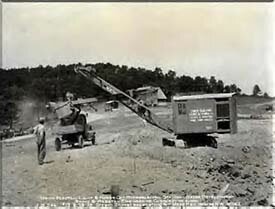
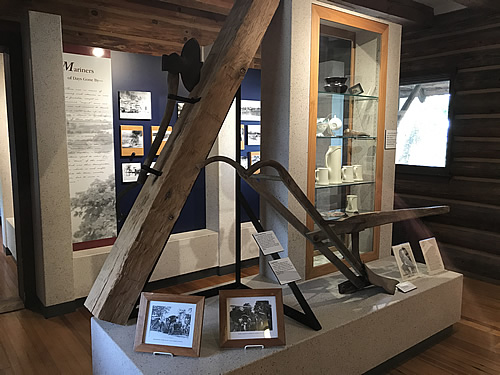
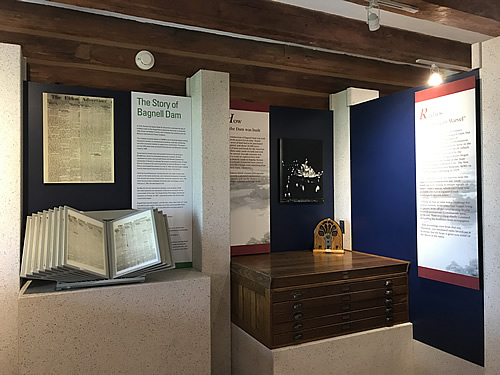
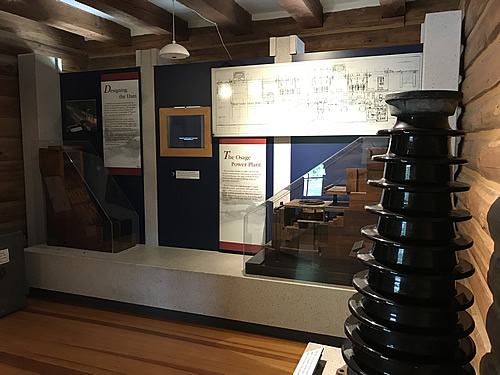
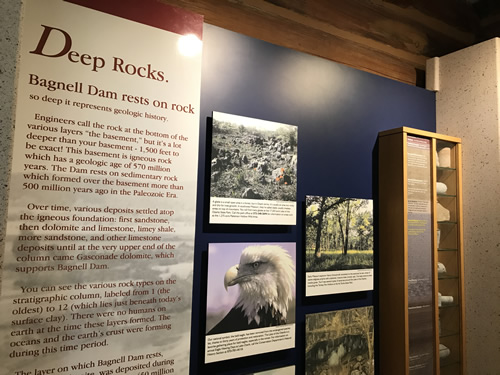
Historic Bagnell Dam
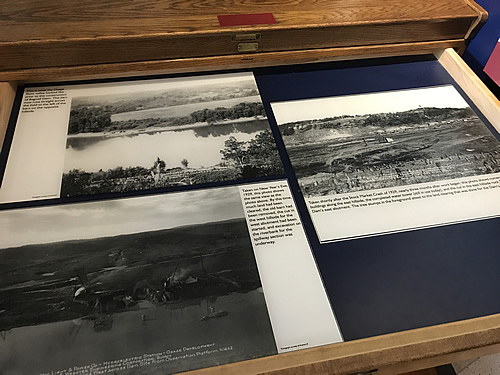
Construction Photos
CONTACT INFORMATION
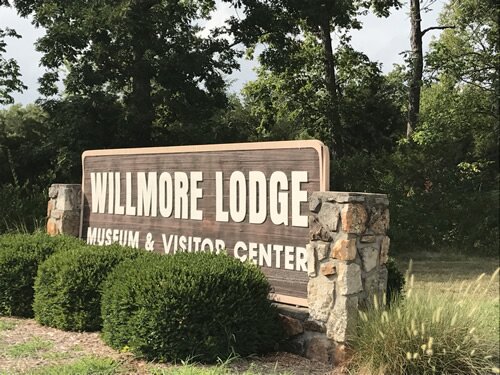
WILLMORE LODGE
#1 Willmore Lane
P.O. Box 1570
Lake Ozark, Missouri 65049
GET DIRECTIONS
VISITOR CENTER HOURS
Monday - Friday
9:00am - 4:30pm
Saturday & Sunday
9:00am -3:00pm
Closed Sunday only Nov 1 - Mar 31
Closed Thanksgiving, Christmas, New Years and during inclement weather.
HISTORIC WILLMORE LODGE AT LAKE OF THE OZARKS
Copyright . Willmore Lodge Foundation. All rights reserved.
Website design and hosting by MSW Interactive Designs LLC. We put the web to work for you!